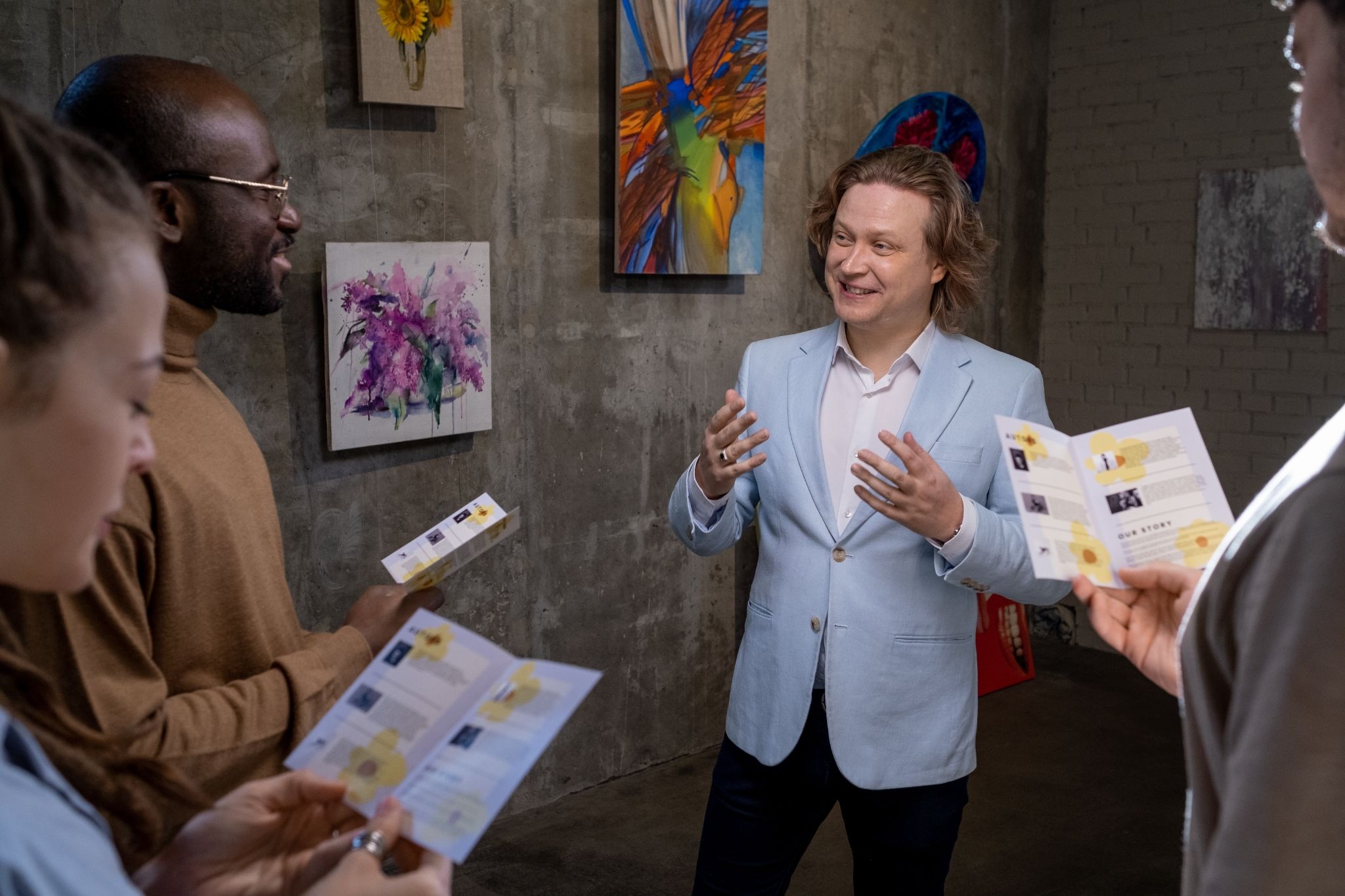
Local creativity is often everywhere, but not always noticed. From small theater groups to street art, music events, and cultural festivals, local arts and culture shape how communities express identity. They are not just entertainment. They are part of how people understand their history, values, and shared experiences.
In many places, arts initiatives quietly support emotional well-being, education, and even economic growth. Yet they are often underfunded or overlooked. Supporting them is not only about appreciation. It is about sustaining the cultural foundation that keeps communities alive and connected.
Understanding what local arts and culture initiatives include
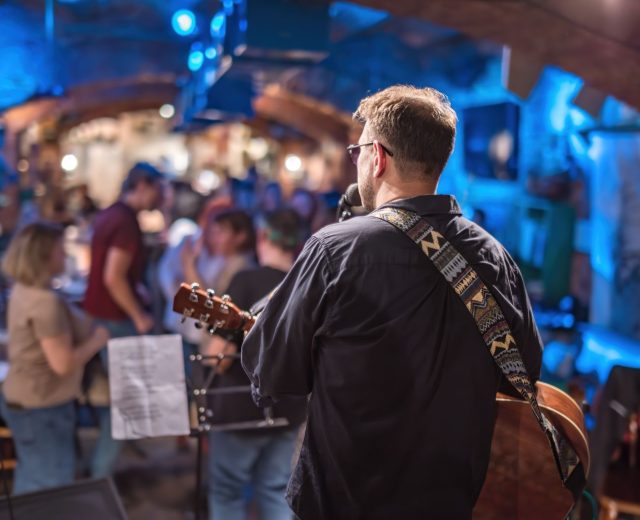
Local arts and culture initiatives cover a wide range of activities. These include community theaters, independent galleries, music programs, poetry readings, and public art installations. Cultural festivals and heritage events also play a major role.
Some initiatives are grassroots, created by local artists and volunteers. Others are supported by institutions such as museums or cultural centers. Together, they form a network that keeps local arts and culture active and accessible.
These initiatives are not limited to performance or visual arts. They also include traditional crafts, storytelling, dance, and historical preservation projects that reflect community identity.
Economic impact of supporting local arts and culture
Supporting arts is not just a cultural decision. It is an economic one. Local cultural events generate income for artists, event organizers, vendors, and nearby businesses. When people attend exhibitions or festivals, they also spend on food, transport, and accommodation.
This creates a ripple effect across the local economy. Creative industries often employ a wide range of professionals, from designers and performers to technicians and marketers. Strengthening local arts and culture helps build sustainable job opportunities within communities.
Over time, cities with strong cultural scenes also attract tourism. Visitors are drawn to authentic experiences, which further boosts local income and visibility.
How cultural spending circulates within local economies
Money spent on cultural activities rarely stays in one place. It moves through multiple layers of the community. A ticket purchase may support an artist, who then spends income at local shops or services.
Event production also involves local suppliers, from printing services to catering. This circulation creates a multiplier effect. Investing in local arts and culture therefore strengthens multiple sectors at once, not just the creative industry.
Social benefits of engaging with local cultural initiatives
Arts and culture play a powerful role in bringing people together. They create shared spaces where individuals from different backgrounds can connect. This strengthens social trust and reduces isolation.
Community events encourage participation and dialogue. People feel more connected to their surroundings when they actively engage with cultural activities. Supporting local arts and culture helps build inclusive environments where diversity is expressed and respected.
Cultural initiatives also give voice to underrepresented groups. They allow communities to share stories that might otherwise go unheard.
How local arts and culture preserve heritage and identity
Every community has a cultural history. Arts initiatives help preserve that history in meaningful ways. Traditional crafts, music, and storytelling are passed from one generation to another through active participation.
Without support, many of these traditions can fade over time. Local cultural programs help document and continue them. This ensures that younger generations stay connected to their roots.
Preserving local arts and culture is not about resisting change. It is about maintaining identity while adapting to modern life.
The role of education in promoting local arts and culture
Education plays a key role in shaping cultural awareness. Schools and community programs that include arts help students develop creativity and critical thinking.
Workshops, exhibitions, and youth programs allow young people to experience culture firsthand. This exposure builds appreciation early in life. It also helps students develop skills such as communication, collaboration, and problem-solving.
When local arts and culture are integrated into education, they become part of everyday learning rather than something separate or optional.
Why local artists need community support
Local artists often face financial instability and limited exposure. Unlike large institutions, independent creators rely heavily on community participation. Without audience support, many struggle to continue their work.
Visibility is another challenge. Without local engagement, artists may not reach wider recognition. Supporting local arts and culture directly helps sustain their careers and encourages creative diversity.
When communities invest in artists, they are also investing in innovation and cultural expression.
How supporting artists strengthens creative ecosystems
When artists receive support, they are more likely to experiment and create new work. This leads to a more vibrant and diverse cultural environment.
Strong creative ecosystems attract collaboration and new talent. Over time, this strengthens the entire cultural sector. Supporting local arts and culture is therefore not just about individual artists but about sustaining a larger creative network.
How digital platforms are changing local arts engagement
Technology has transformed how people interact with culture. Artists can now share work online through social media, virtual exhibitions, and streaming platforms. This increases accessibility and reach.
Crowdfunding platforms also allow communities to directly support projects financially. Digital tools make local arts and culture more visible beyond physical boundaries.
However, online engagement does not replace physical participation. It works best as a complement to real-world cultural experiences.
Barriers to supporting local arts and culture
Despite its importance, several barriers still exist. Many people are simply unaware of local cultural activities. Others may not see them as essential compared to other priorities.
Access can also be an issue. Not all communities have equal cultural infrastructure. In some areas, funding limitations reduce opportunities for engagement.
There is also a perception problem. Some still view arts as non-essential rather than a vital part of society. These barriers limit the growth of local arts and culture initiatives.
How individuals can actively support local arts
Supporting local culture does not always require large commitments. Attending events is one of the simplest ways to contribute. Buying tickets, visiting exhibitions, or participating in workshops directly supports creators.
Purchasing artwork or handmade crafts is another way to provide financial support. Volunteering at cultural events or donating to programs also makes a difference.
Even sharing information about local arts and culture initiatives online helps increase visibility and engagement.
Role of government and institutions in cultural development
Public institutions play an important role in sustaining cultural ecosystems. Government funding can support museums, festivals, and educational programs. Cultural policies help protect heritage and encourage creative industries.
Partnerships between public and private sectors also strengthen resources. When institutions invest in local arts and culture, they help ensure long-term stability and growth.
Infrastructure such as galleries, theaters, and cultural centers is often made possible through institutional support.
Impact of globalization on local arts and culture
Globalization has created both opportunities and challenges for local culture. On one hand, it allows cultural exchange and global visibility. On the other, it can lead to cultural homogenization.
Local traditions may become less visible when global trends dominate. This makes it even more important to actively support local arts and culture.
Balancing global influence with local identity is essential for maintaining cultural diversity.
The emotional and psychological benefits of cultural participation
Engaging with arts has clear emotional benefits. It can reduce stress, improve mood, and encourage self-expression. Cultural participation also creates a sense of belonging.
People often feel more connected to their community when they engage with cultural activities. Creativity also stimulates imagination and mental flexibility.
Supporting local arts and culture therefore contributes not only to society but also to individual well-being.
Future of local arts and culture initiatives
The future of cultural engagement is becoming more hybrid. Physical events will continue, but digital experiences will expand access. This combination allows more people to participate regardless of location.
Community-driven initiatives are also expected to grow. Local voices are becoming more important in shaping cultural direction.
Sustainability will play a key role as well. Long-term planning will ensure that local arts and culture remain resilient in changing environments.
Conclusion
Supporting local culture is not just about appreciation. It is about participation in something larger. Arts initiatives strengthen economies, preserve heritage, and build social connection.
They give communities identity and voice. Without them, cultural richness fades over time. By supporting local arts and culture, individuals help maintain creativity, diversity, and shared understanding.
Stronger societies are not built only through infrastructure or economics. They are built through stories, expression, and creativity. And that is exactly what local culture provides.