Exploring arts and culture in your city is one of the most practical ways to connect with your environment on a deeper level. It is not just about visiting museums or attending events. It is about understanding how creativity, history, and community shape the place you live in. Many people overlook what is available locally because they assume meaningful cultural experiences require travel, but the reality is often the opposite. Cities are full of artistic energy that goes unnoticed without intentional exploration.
The key challenge is not access but awareness and engagement. Cultural opportunities exist in both visible and hidden forms. From public art on the streets to small independent performances, the range is wide. What separates casual observation from meaningful exploration is strategy. When you approach arts and culture with purpose, you begin to see patterns, connections, and opportunities that were previously invisible.
Why Exploring Arts and Culture Matters Locally
Arts and culture are reflections of identity. They represent the values, struggles, and aspirations of a community. When you take time to explore arts and culture locally, you start to understand these layers. Every day places gain new meaning because you begin to recognize the stories behind them.
This exploration also changes your relationship with your city. Instead of feeling like a passive observer, you become an active participant. Attending an exhibition or performance creates a sense of involvement. Over time, this builds a stronger emotional connection to your surroundings.
There is also a cognitive benefit. Exposure to different forms of art encourages flexible thinking. It challenges assumptions and introduces alternative perspectives. This is especially valuable in a fast-paced environment where routines can limit creativity. Exploring culture becomes a way to reset your thinking and stay mentally engaged.
Discovering the Cultural Identity of Your City
Understanding Local History and Heritage
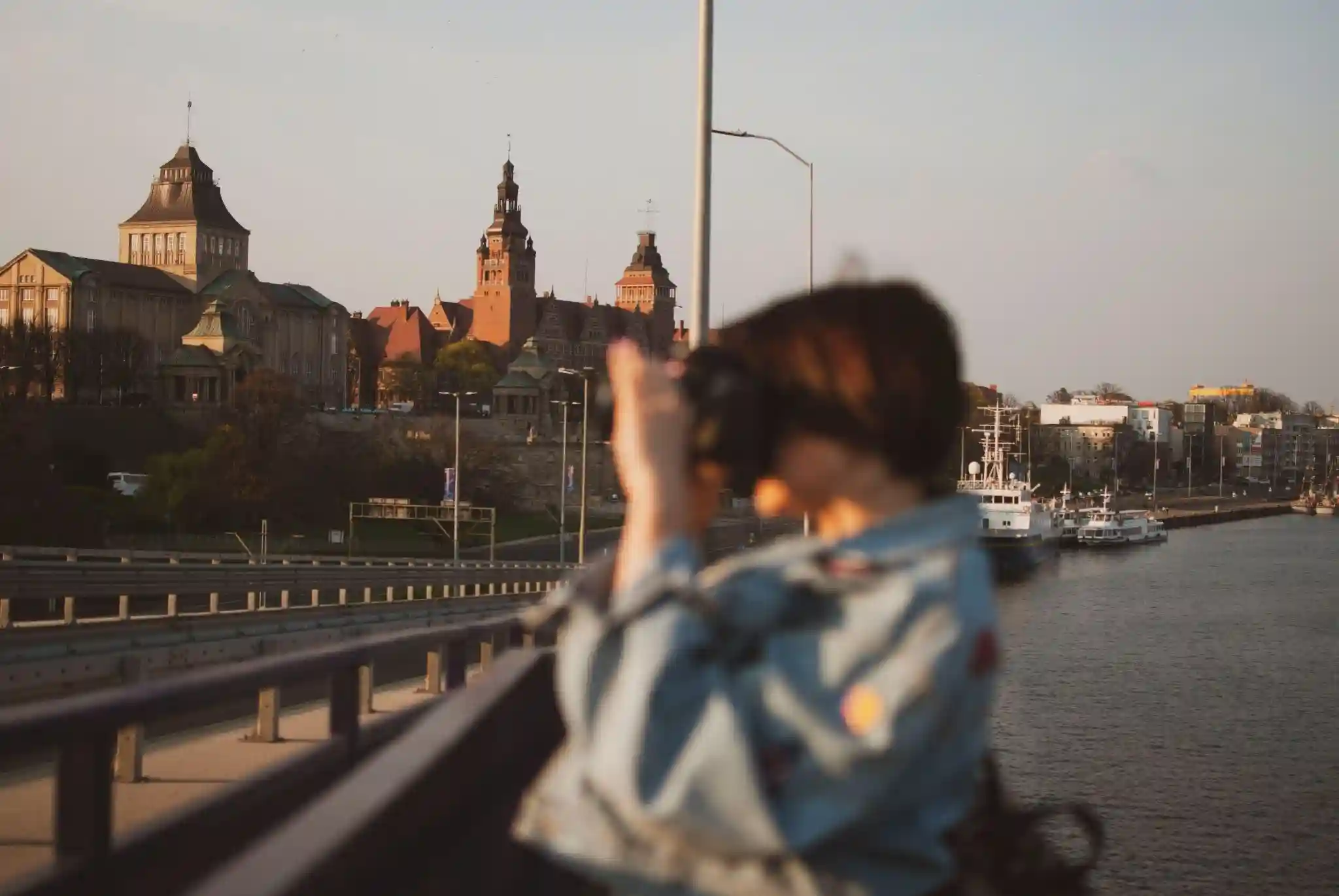
Every city has a cultural foundation shaped by its history. This foundation influences architecture, public spaces, and artistic expression. Understanding this background helps you interpret what you see around you. A building is no longer just a structure. It becomes part of a larger narrative.
Exploring historical elements does not always require formal settings. Walking through older districts, observing design patterns, and reading local markers can reveal important details. These small observations accumulate into a broader understanding of how the city has evolved.
This context also enhances your experience of modern art. Many contemporary works reference historical events or cultural traditions. Without background knowledge, these references can feel abstract. With it, they become meaningful and engaging.
Recognizing Cultural Diversity
Modern cities are shaped by diverse communities. Each group contributes its own traditions, art forms, and perspectives. This diversity creates a dynamic cultural landscape where different influences interact and evolve.
To fully explore arts and culture, you need to move beyond familiar spaces. Attend events that reflect different traditions. Visit neighborhoods that offer unique cultural expressions. This approach broadens your perspective and deepens your understanding of the city.
Diversity also drives creativity. When different ideas come together, they create new forms of expression. This constant evolution keeps the cultural scene active and relevant. From a strategic perspective, engaging with diversity ensures that your exploration remains varied and meaningful.
Key Places to Begin Your Exploration
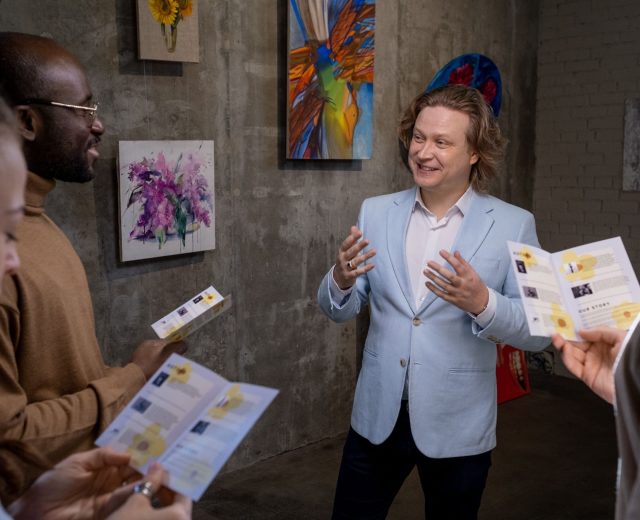
Starting your journey to explore arts and culture does not require complexity. It begins with identifying accessible spaces where creativity is visible. Museums and galleries are often the first step because they offer curated experiences. They provide structure and context, making them ideal for building foundational knowledge.
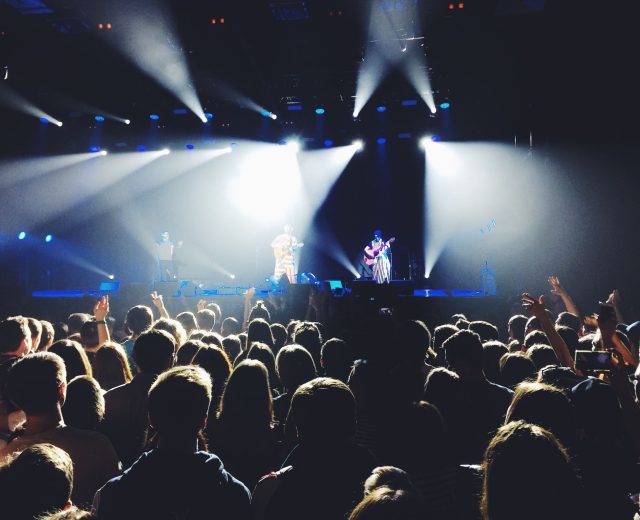
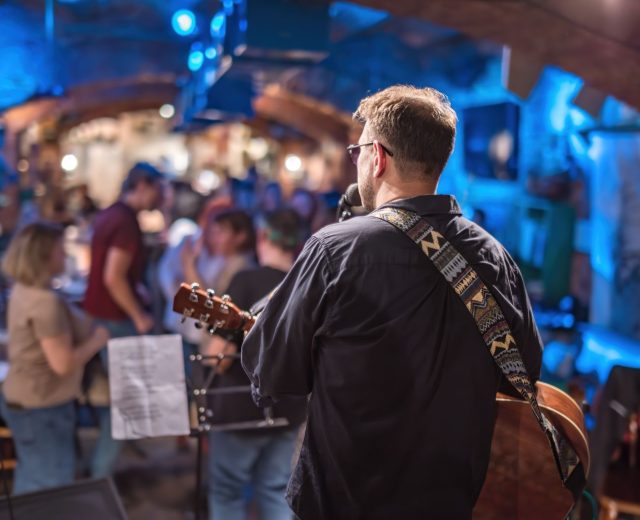
Theaters and music venues offer a more immersive experience. Live performances create a sense of immediacy that static displays cannot match. Even small venues can deliver powerful experiences that stay with you. These spaces are essential for understanding how art connects with audiences in real time.
Public art is another valuable entry point. Murals, sculptures, and installations are integrated into everyday environments. They transform routine spaces into creative ones. Paying attention to these details allows you to engage with art without changing your daily schedule.
Libraries and cultural centers are often overlooked but highly valuable. They host discussions, workshops, and exhibitions that encourage deeper engagement. These spaces are also more accessible, making them ideal for consistent exploration without high cost.
Engaging with Live Arts and Performances
Theater, Music, and Dance Events
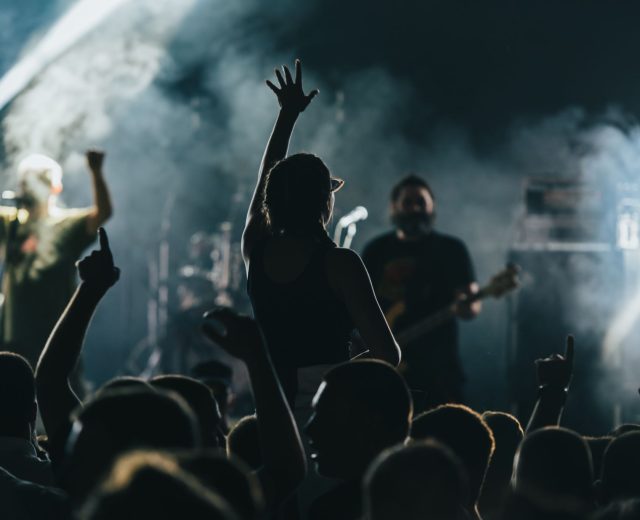
Live performances provide a direct connection between artists and audiences. They bring stories, emotions, and ideas into a shared space. This interaction creates a level of engagement that recorded content cannot replicate. Watching a performance in real time adds intensity and authenticity to the experience.
To make the most of live events, it helps to approach them with intention. Research the performance beforehand. Understand the themes and context. This preparation enhances your ability to interpret what you see. It also increases your appreciation for the creative effort involved.
Consistency is equally important. Attending performances regularly builds familiarity and confidence. Over time, you develop a clearer sense of your preferences and expand your understanding of different art forms. This progression turns occasional attendance into meaningful exploration.
Festivals and Cultural Celebrations
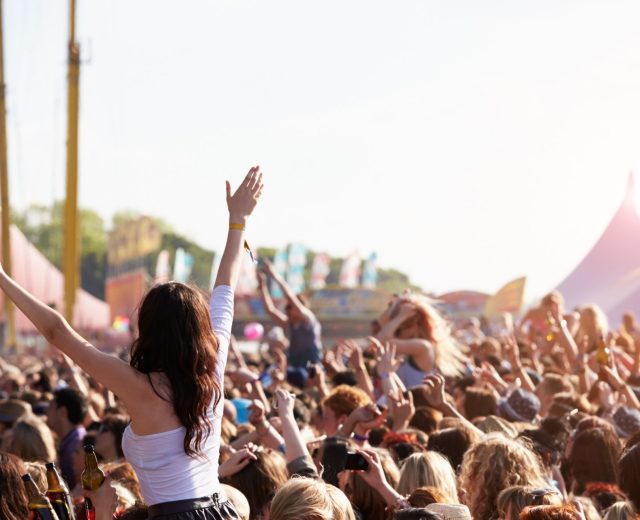
Festivals are concentrated cultural experiences that bring multiple elements together. They often combine music, visual art, food, and performance in a single setting. This creates an environment that is both engaging and accessible. Festivals are ideal for discovering new interests quickly.
They also reflect community identity. Many festivals are rooted in tradition or social values. Participating in them provides insight into how culture is expressed collectively. This adds depth to your understanding and creates memorable experiences.
From a strategic perspective, festivals are efficient. They allow you to explore a wide range of cultural elements within a limited time. This makes them a practical starting point for deeper exploration.
Connecting with Local Artists and Creators
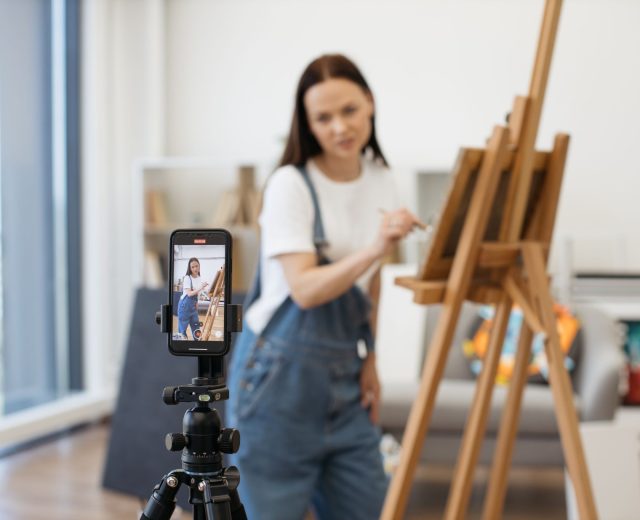
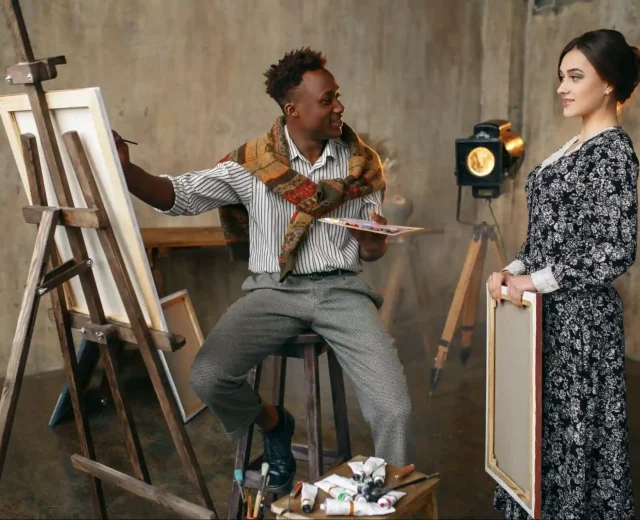
Artists are central to any cultural scene. Engaging with them directly provides insight that cannot be gained through observation alone. Visiting studios, attending exhibitions, and participating in workshops create opportunities for meaningful interaction.
Supporting local artists is also essential for sustaining the cultural ecosystem. Purchasing work, attending events, or sharing their content contributes to their visibility and growth. This support helps maintain diversity and innovation within the arts community.
Digital platforms can assist in discovery, but they should not replace real engagement. Following local artists online keeps you informed, but attending events and interacting in person creates stronger connections. A balanced approach ensures that technology enhances rather than limits your experience.
Making Arts and Culture Part of Daily Life
Building Consistent Cultural Habits
Exploration becomes impactful when it is consistent. Instead of treating arts and culture as occasional activities, integrate them into your routine. This could involve visiting a gallery regularly or attending monthly performances. Small, consistent actions lead to deeper understanding over time.
Planning plays an important role. Scheduling cultural activities in advance ensures they are not overlooked. Treating them as essential rather than optional increases commitment. Over time, these habits become part of your lifestyle.
Consistency also builds confidence. As you engage more frequently, unfamiliar spaces become comfortable. This encourages further exploration and reduces hesitation.
Exploring Beyond Popular Attractions
Popular attractions often dominate attention, but they represent only a portion of the cultural landscape. Smaller venues and independent spaces offer more intimate and authentic experiences. These locations often showcase emerging talent and experimental work.
Exploring beyond well-known spots requires curiosity and effort. It may involve visiting different neighborhoods or attending lesser-known events. The reward is a richer and more diverse experience.
From a strategic perspective, this approach prevents repetition. It ensures that your exploration remains fresh and engaging. It also supports the broader cultural ecosystem by bringing attention to underrepresented artists and spaces.
Using Technology to Explore Arts and Culture
Technology has simplified the process of discovering cultural opportunities. Event platforms and social media provide access to information that was previously difficult to find. These tools help you identify exhibitions, performances, and workshops that match your interests.
Virtual experiences add another layer. Online exhibitions and tours allow you to explore art without physical constraints. They are useful for previewing events or expanding your exposure beyond your immediate location.
However, technology should be used strategically. It is a tool for discovery, not a substitute for real-world engagement. The goal is to use digital resources to enhance planning while prioritizing in-person experiences. This balance ensures a more meaningful connection to the arts.
Challenges in Exploring Local Culture
Despite the availability of opportunities, several challenges can limit participation. Lack of awareness is a common issue. Many events are not widely promoted, making them difficult to discover without active searching.
Accessibility is another concern. Some events may be expensive or located in less accessible areas. Time constraints also play a role. Busy schedules can make it difficult to prioritize cultural activities.
Overcoming these challenges requires a proactive approach. Actively seeking information, planning ahead, and setting priorities can make exploration more manageable. It also requires a shift in mindset. Viewing cultural engagement as valuable rather than optional increases motivation.
The Impact of Arts and Culture on Personal Growth
Expanding Creativity and Perspective
Engaging with arts and culture exposes you to new ideas and ways of thinking. This expands your perspective and encourages creativity. You begin to see connections between different disciplines and apply them in your own life.
This process is gradual but powerful. Regular exposure to diverse forms of expression enhances your ability to think critically and creatively. It also increases your appreciation for different viewpoints.
Strengthening Community Connection
Cultural experiences often bring people together. Attending events, participating in workshops, and engaging with artists creates opportunities for interaction. These shared experiences build relationships and strengthen community ties.
This sense of connection is important in modern urban environments where isolation can be common. Arts and culture provide a platform for interaction and collaboration. They create spaces where people can engage meaningfully.
Conclusion
Exploring arts and culture in your city is not a one-time activity. It is an ongoing process that evolves with your interests and experiences. By approaching it strategically, you can uncover opportunities that enrich your understanding and connection to your environment. The key is consistency and curiosity. Small, intentional actions lead to meaningful experiences over time. Whether it is attending a performance, visiting a gallery, or engaging with local artists, each step contributes to a broader cultural journey. Ultimately, when you explore arts and culture with purpose, you transform how you experience your city. You move beyond routine and discover a dynamic, creative landscape that is always evolving.