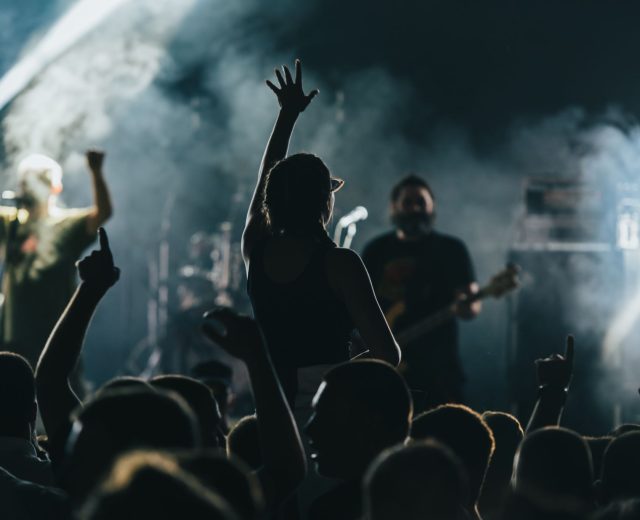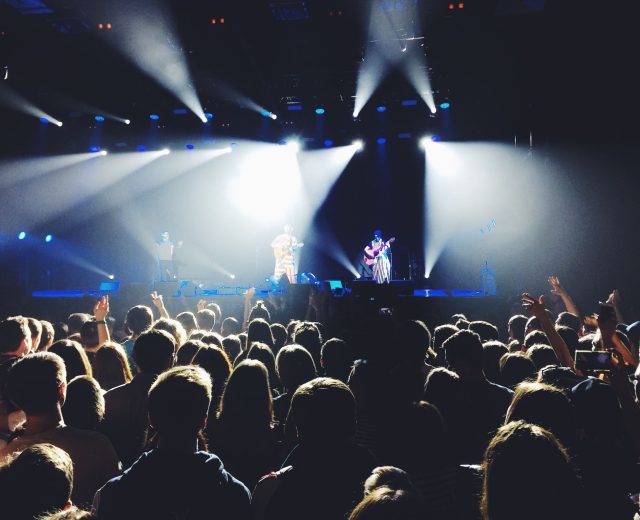
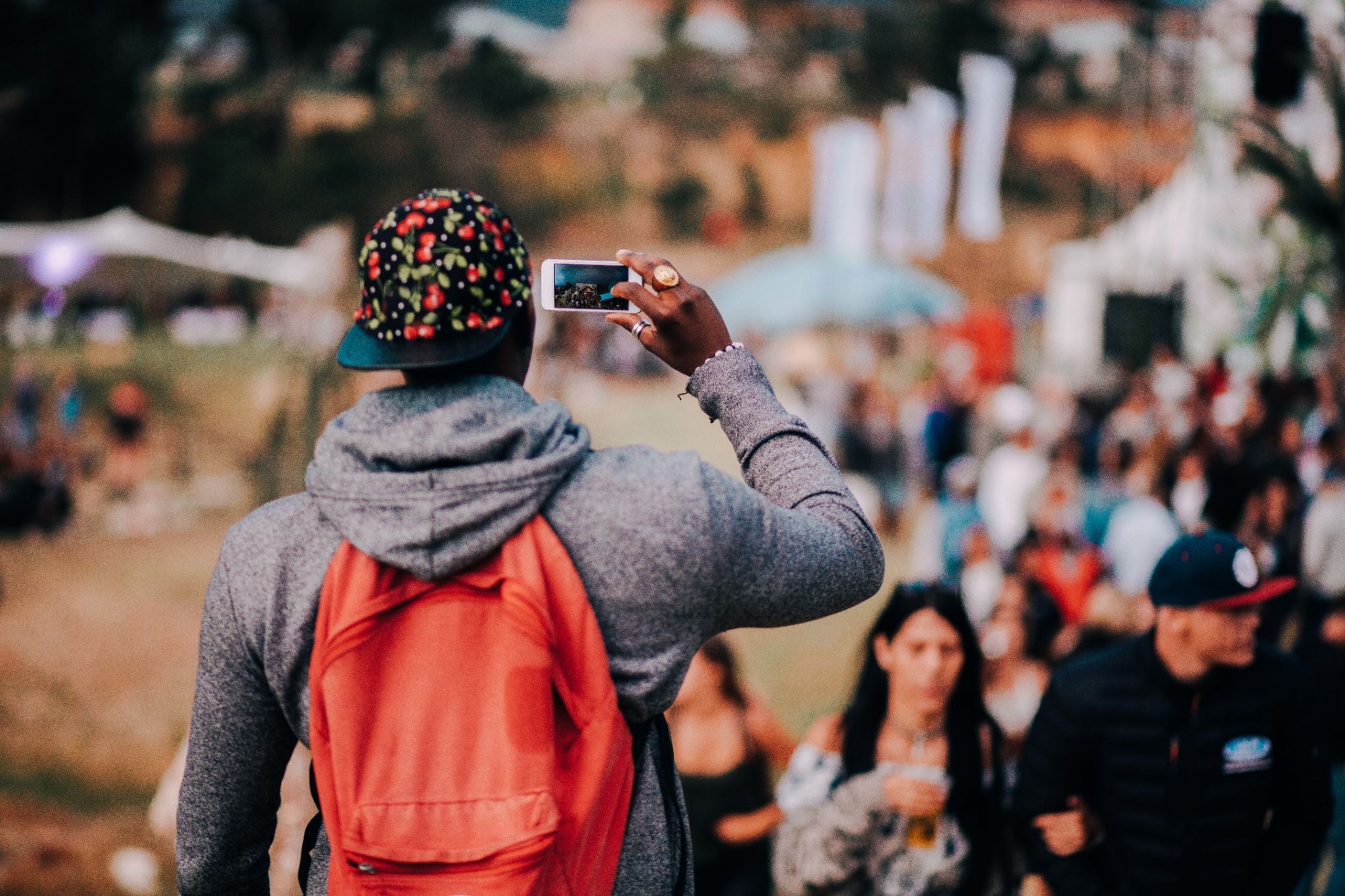
Festivals are more than events, they are cultural experiences, celebrations of music, art, food, and community. In 2026, the festival landscape is more diverse than ever, with global options spanning from massive music fests to intimate cultural fairs. Attending festivals as part of a travel itinerary can be both thrilling and challenging. Without proper planning, schedules, tickets, and accommodations can become overwhelming. Festival guides offer an essential solution, helping travelers design a seamless, enjoyable, and memorable event trip. They provide curated insights, insider tips, and practical tools that ensure every aspect of the journey is thoughtfully considered.
Why Festival Guides Are Vital for Event Planning
Planning a festival trip requires balancing logistics, experiences, and personal preferences. Festival guides streamline this process by aggregating information on event schedules, performers, venues, and amenities. They highlight must-see shows, secret performances, and local attractions. By reducing uncertainty, guides allow travelers to focus on enjoyment rather than problem-solving. For both first-time attendees and seasoned festival-goers, guides are tools that maximize value, save time, and enrich the overall experience. Using them strategically ensures that your trip is organized, stress-free, and culturally immersive.
Different Formats of Festival Guides
Online Guides and Mobile Apps
Digital guides dominate modern festival planning. They provide interactive maps, real-time updates, and alerts for last-minute changes. Apps can create personalized schedules based on your favorite performers or events, helping you optimize time and prioritize must-see experiences. Many platforms also include ticketing integration, push notifications for ticket releases, and alerts for special workshops or pop-up events. The convenience of mobile guides is particularly valuable when navigating sprawling festival grounds or multi-venue events.
Printed Guides and Travel Magazines
While digital tools are practical, print guides remain relevant. Travel magazines and festival booklets offer curated editorial content that highlights the best experiences and provides cultural context. Unlike apps, print guides allow a slower, more reflective approach to planning. They often include expert recommendations, artist profiles, and thematic essays, helping travelers understand the festival’s cultural or historical significance. For offline use, printed guides are invaluable, particularly in areas with limited internet connectivity.
Specialized Niche Guides
Some guides focus on specific festival genres—music, food, cultural fairs, or arts events. Niche guides provide detailed information tailored to the type of experience you seek. A music festival guide may include artist lineups, stage locations, and sound system quality, whereas a food festival guide highlights chef demonstrations, tastings, and vendor ratings. Niche guides are essential for travelers who want to curate a festival experience around their personal passions.
Researching Festivals Before Booking Your Trip
Understanding Festival Themes and Genres
Knowing the type of festival you want to attend helps narrow choices. Music festivals range from electronic dance events to classical orchestras. Cultural festivals may emphasize art, history, or local traditions, while food festivals showcase regional cuisine and culinary experiences. Aligning your interests with the festival theme ensures a fulfilling trip. Consider the scale, atmosphere, and type of audience each festival attracts when selecting your target events.
Checking Dates, Locations, and Duration
Festival planning requires careful scheduling. Ensure that your travel dates align with the event calendar. Some festivals last a weekend, others span weeks. Factor in travel time, jet lag, and local weather conditions. Crowded peak periods may require early bookings for tickets and accommodations. Planning in advance ensures you experience the festival fully without unexpected conflicts or logistical challenges.
How to Evaluate Festival Guides
Not all guides are equally reliable. Look for sources that update frequently and provide verified information. Guides affiliated with official festival organizers or respected media outlets tend to be more accurate. Check for credibility of contributors, clarity of information, and inclusion of real-world tips. Cross-referencing multiple guides allows for balanced perspectives and reduces the risk of missing critical updates or hidden gems.
Planning Your Trip Using Festival Guides
Creating a Personalized Schedule
A well-structured schedule maximizes festival enjoyment. Identify must-see performances, workshops, or cultural exhibitions and slot them strategically. Allocate time for spontaneous exploration and rest to avoid burnout. Festival guides can provide stage maps, set times, and logistical tips to help travelers navigate multiple venues efficiently. A personalized schedule ensures that every activity aligns with your priorities.
Booking Tickets and Accommodations
Early booking is essential for popular festivals in 2026. Festival guides often provide insights on early bird tickets, VIP passes, and bundled packages. Accommodations near festival venues improve convenience and reduce transit stress. Guides may suggest local hotels, hostels, or short-term rentals suitable for different budgets. Planning lodging alongside ticketing ensures a seamless, well-timed trip.
Transport and Logistics Planning
Festival guides also include transportation tips, from public transit routes to rideshare recommendations. Consider how you will reach venues, whether driving, taking trains, or using buses. Guides often provide practical advice on parking, shuttle services, or walking paths between stages. This reduces the risk of delays and ensures a smooth overall experience.
Maximizing Festival Experiences with Guides
Festival guides go beyond schedules—they help travelers engage more deeply with events. They can reveal hidden workshops, pop-up performances, or local attractions nearby. Guides often suggest immersive experiences, such as participating in cultural ceremonies, attending interactive panels, or sampling authentic local cuisine. Following these recommendations enhances the trip and creates richer memories.
Digital Tools to Complement Festival Guides
Apps, social media feeds, and GPS-enabled maps complement traditional guides. Push notifications alert travelers to performance start times, cancellations, or schedule shifts. Social media allows you to interact with other attendees, access live reviews, and discover unadvertised events. Mapping tools help navigate crowded venues, locate restrooms, or find food stalls efficiently. Using these tools alongside festival guides ensures full utilization of available resources.
Budgeting and Cost Optimization Using Guides
Traveling to festivals can be expensive. Festival guides often highlight cost-saving opportunities. Look for recommendations on affordable food, local transportation, and lodging options. Many guides suggest budget-friendly passes or group discounts for tickets. Advanced planning with guides allows you to optimize spending without sacrificing quality experiences. Efficient budgeting ensures you enjoy the festival without financial stress.
Trends in Festival Guides for 2026
Festival guides in 2026 are increasingly tech-driven and personalized. AI-based systems suggest events based on previous attendance and preferences. Augmented reality features may offer interactive maps, virtual previews of stages, or immersive schedules. Sustainability-focused guides highlight eco-friendly events, waste reduction strategies, and tips for responsible festival participation. Staying aware of these innovations allows travelers to plan smarter, safer, and more impactful trips.
Conclusion
Using festival guides to plan an event trip in 2026 transforms the experience from overwhelming to seamless. By understanding different guide types, evaluating their credibility, and leveraging digital tools, travelers can create personalized schedules, secure tickets efficiently, and maximize engagement with performances and attractions. Guides also support budget planning, logistics management, and discovering hidden experiences, ensuring a well-rounded and memorable festival journey. Combining expert insights with personal preferences allows travelers to enjoy festivals fully while navigating the challenges of planning complex event trips. With the right guides and strategies, every festival visit can be organized, enjoyable, and unforgettable.