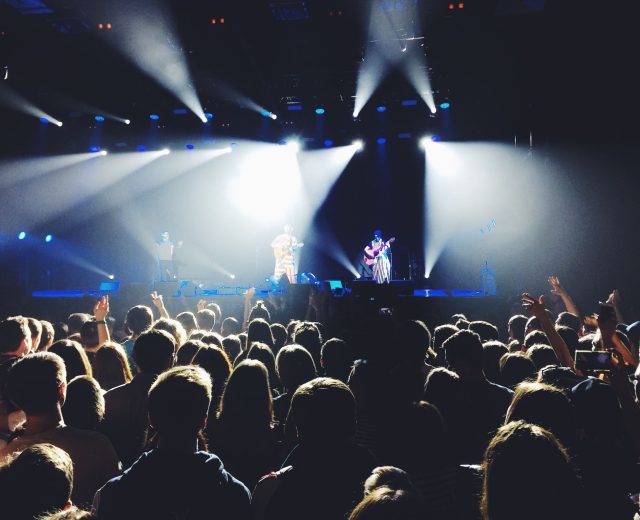

Theater shows have captivated audiences for centuries. They are one of the oldest forms of live entertainment, offering storytelling, emotion, and artistry in ways that remain unmatched. Whether it’s a dramatic play, a musical, or an experimental production, theater has a unique ability to connect performers and audiences in real time.
Unlike digital content or recorded media, theater shows are ephemeral. Each performance is a one-of-a-kind experience shaped by actors, directors, and the audience itself. This human connection, combined with the rich history and cultural significance of theater, ensures that it remains a timeless and valued form of entertainment.
Understanding Theater Shows
Theater shows are live performances that combine storytelling, acting, and often music, dance, or visual art. They are more than just entertainment—they are a cultural mirror reflecting human experiences, societal values, and artistic innovation.
From Shakespearean dramas to modern musicals, theater shows appeal to a wide spectrum of audiences. They allow viewers to explore complex emotions, witness conflicts, and experience narratives in a communal setting. The live aspect of theater, unlike films or television, makes every show dynamic, spontaneous, and emotionally engaging.
A Brief History of Theater Shows
Origins in Ancient Civilizations
Theater traces its roots to ancient Greece, Egypt, and Rome. In Greece, performances were often part of religious festivals, exploring morality, politics, and human nature. Tragedies and comedies allowed citizens to reflect on social norms while being entertained.
In ancient Egypt, theater often combined music, dance, and ritual to honor deities. Roman theater introduced amphitheaters and elaborate stage designs, making performances accessible to larger audiences. Early theater was not just entertainment; it was education, social commentary, and a communal experience.
Evolution Through Centuries
During the Middle Ages, performances moved to town squares and religious settings, often dramatizing moral lessons and biblical stories. With the Renaissance, theater flourished in dedicated playhouses, featuring elaborate costumes, scripts, and stagecraft.
The Baroque period brought complex stage machinery and scenic design, while modern theater embraced realism, experimental storytelling, and social commentary. Over time, theater evolved to reflect cultural shifts, technological advancements, and the ever-changing tastes of audiences.
Types of Theater Shows
Theater shows are diverse, offering something for every taste:
Drama: Classic and modern plays explore human conflict, morality, and emotion.
Musical theater: Combines acting, singing, and dance to tell engaging stories.
Experimental and immersive theater: Involves audience interaction, breaking traditional boundaries.
Cultural and community theater: Celebrates local traditions, heritage, and collective storytelling.
Each type of theater show has its own unique style, appeal, and creative demands. Understanding these distinctions helps audiences select performances that resonate personally while allowing performers to explore varied artistic expression.
Why Theater Shows Remain Timeless
Live Performance and Human Connection
One of the main reasons theater shows remain timeless is their live, unrepeatable nature. Unlike films or TV, each performance is influenced by the actors’ energy, audience reactions, and even minor improvisations. This unpredictability creates a shared experience that is emotionally powerful and memorable.
Audiences often describe feeling a heightened sense of presence in theaters. Seeing emotions unfold in real time, sharing laughter or tension with strangers, and witnessing intricate performances firsthand create connections that digital media cannot replicate.
Storytelling and Emotional Impact
Theater is an art of storytelling. A well-written play or musical can provoke thought, inspire empathy, and convey complex themes in ways that resonate across generations. Iconic works like Hamlet or Les Misérables continue to be performed because their narratives address universal human experiences: love, loss, ambition, and justice.
Modern theater also explores contemporary social issues, reflecting cultural change while challenging audiences to engage critically. This combination of timeless storytelling and social relevance ensures the theater’s enduring appeal.
Artistic Collaboration and Creativity
Theater shows are inherently collaborative. Actors, directors, set designers, lighting technicians, costume designers, and musicians work together to create a seamless experience. This multidisciplinary approach allows for innovation and creativity that evolves with each production.
For example, a musical may integrate live orchestra performances, digital projections, and choreographed dance sequences. Each element contributes to the storytelling, making theater a dynamic and multidimensional art form.
Theater Shows and Society
Theater has historically served as a mirror of society. It reflects cultural values, political climates, and social issues. Plays like A Raisin in the Sun or Death of a Salesman not only entertain but also provoke dialogue about race, class, and human identity.
Theater is also educational. Schools and community programs often use theater to teach history, language, and social skills. By presenting narratives from diverse perspectives, theater encourages empathy, critical thinking, and cultural awareness.
In many communities, local theater serves as a hub for social engagement. Audiences and performers collaborate to preserve traditions, celebrate heritage, and strengthen communal bonds. This cultural role ensures theater remains relevant and valued, regardless of technological shifts.
Modern Theater in the Digital Age
Adaptation to Technology
Theater has adapted to the digital age while maintaining its essence. Streaming platforms allow audiences worldwide to experience live performances. Virtual reality, projection mapping, and advanced lighting techniques enhance storytelling, offering immersive experiences that complement traditional theater.
Digital platforms also increase accessibility. People who cannot attend theaters in person due to distance, mobility, or financial constraints can still experience high-quality performances. This democratization of access introduces theater to new generations and global audiences.
Challenges and Opportunities
Despite technological advantages, live theater faces challenges. Maintaining the intimacy, immediacy, and emotional impact of in-person performances is difficult online. Creators must balance authenticity with scalability and ensure that digital adaptations do not dilute the artistic experience.
Opportunities, however, are significant. Hybrid performances, global collaborations, and interactive digital experiences allow theater to expand creatively and reach audiences beyond traditional venues. This evolution ensures that theater remains adaptable, relevant, and innovative.
Experiencing Theater Shows: Tips for Audiences
Attending a theater show can be more rewarding when approached thoughtfully. Here are some strategies:
Choose performances that align with personal interests or cultural curiosity.
Research the play or musical to understand themes, context, and cultural references.
Observe theater etiquette to respect performers and fellow audience members.
Engage actively with the performance, allow yourself to be immersed in the story.
Support local theater groups and emerging artists to foster cultural sustainability.
Being intentional about theater attendance enhances appreciation and deepens the impact of live storytelling.
Conclusion
Theater shows have endured for centuries because they combine human creativity, emotional resonance, and cultural relevance. They provide live experiences that are impossible to replicate, making each performance unique.
The collaborative nature of theater, the depth of storytelling, and the reflection of societal values ensure its timelessness. Even in a digital world, live theater remains unmatched in its ability to connect people, provoke thought, and inspire imagination.
Whether attending a local community production or a Broadway musical, the theater offers audiences an opportunity to witness artistry, explore human experiences, and engage with culture on a profound level. Its legacy as a cornerstone of entertainment is secure, and its relevance will continue for generations.
FAQs
Q1: What makes theater shows different from movies or TV?
Theater shows are live performances with real-time audience interaction, creating unique experiences that cannot be replicated in recorded media.
Q2: Why do theater shows remain popular after centuries?
They combine storytelling, emotion, and live performance, reflecting universal human experiences while adapting to contemporary social and cultural contexts.
Q3: How do theater shows reflect society?
Plays and musicals often explore cultural values, social issues, and historical events, fostering empathy, awareness, and discussion among audiences.
Q4: Can technology replace live theater shows?
Technology expands accessibility and creativity, but cannot replicate the intimacy, immediacy, and emotional connection of in-person performances.
Q5: How can beginners enjoy theater shows more fully?
Research the play, understand the themes, respect theater etiquette, immerse yourself in the performance, and support local or community theater for a richer experience.