Live music has a unique ability to captivate audiences like no other form of entertainment. It offers energy, emotion, and connection that recorded music cannot replicate. From small local gigs to massive festivals, live music experiences remain highly sought after.
The appeal of live music lies in its immediacy and authenticity. Each performance is unique, shaped by the performers, audience, and environment. Attending a live concert is more than just listening, it is a full sensory and social experience.
Over centuries, live music has evolved, yet its popularity has endured. This article explores the history, elements, emotional power, and cultural impact of live music, highlighting why it remains a cornerstone of entertainment.
Understanding Live Music
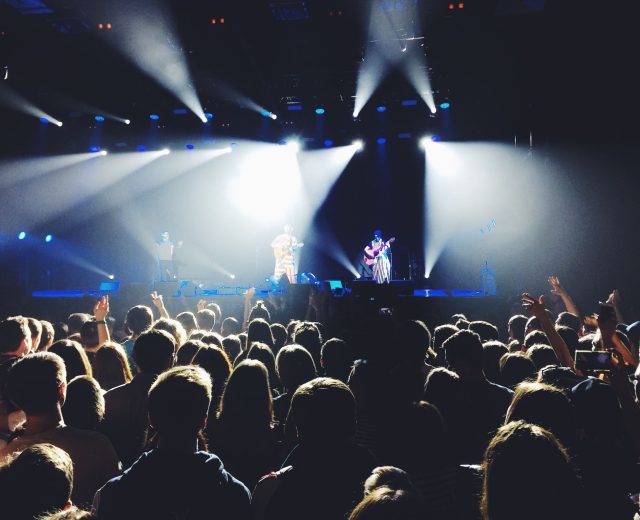
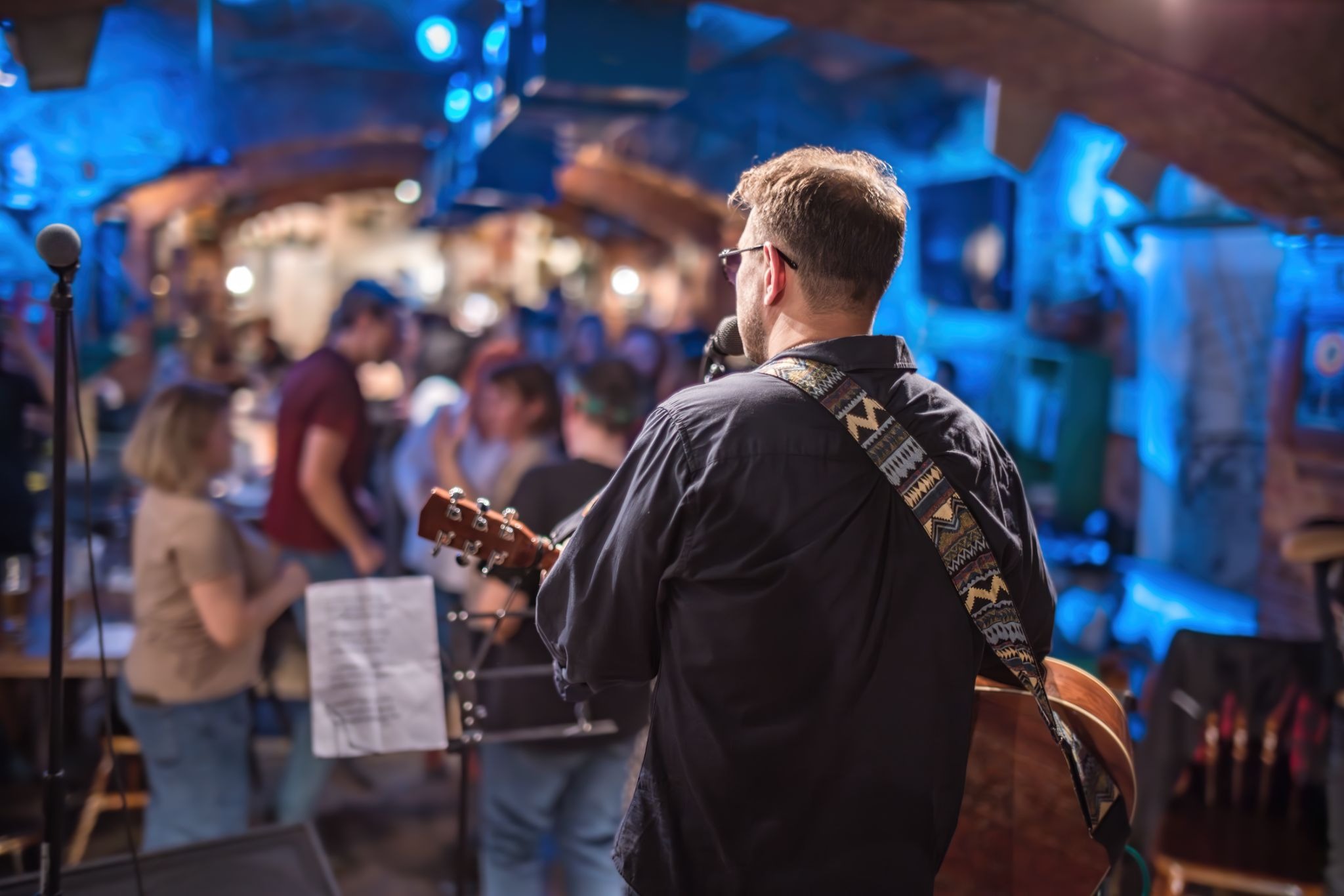
Live music is any performance of music before an audience in real time. It ranges from intimate acoustic sets to stadium concerts with thousands of spectators. Unlike recorded tracks, live music emphasizes spontaneity, interaction, and atmosphere.
It plays a vital role in culture, community, and social bonding. Live performances allow audiences to witness skill, emotion, and creativity firsthand. They also enable musicians to connect directly with fans, creating shared experiences that are memorable and personal.
The History of Live Music Performances
Early Traditions and Cultural Roots
Music has been performed live since ancient times. In early civilizations, music accompanied rituals, festivals, and communal events. It was a means of storytelling, spiritual connection, and social cohesion.
For example, in ancient Greece, live performances were integral to religious ceremonies and theater. Music, combined with poetry and dance, conveyed stories and moral lessons. Similarly, in African and Indigenous cultures, live music fostered community participation and preserved oral traditions.
Evolution Through Time
Classical concerts, opera houses, and orchestras emerged during the Renaissance and Baroque periods. These venues provided structured spaces for performances while elevating the cultural prestige of music.
In the 20th century, live music expanded into jazz clubs, rock arenas, and music festivals. Technological innovations like amplification, electric instruments, and stage lighting transformed live performances, enhancing sound quality and visual impact.
Today, live music continues to evolve. From intimate performances in coffeehouses to global streaming of concerts, the live music experience adapts to modern tastes while maintaining its core appeal.
Elements of a Successful Live Music Experience
Several factors make a live music event engaging and memorable:
Quality of performance: Skill, energy, and improvisation from performers.
Venue and acoustics: Proper sound and seating arrangements enhance audience experience.
Audience interaction: Engagement and participation heighten emotional impact.
Visual and technical elements: Lighting, stage design, and multimedia complement the performance.
Each of these elements contributes to a holistic experience that keeps fans returning to live events. When all factors align, the result is an unforgettable, immersive encounter.
Factors Behind Live Music Popularity
Emotional and Social Connection
Live music fosters an emotional bond between performers and audiences. Experiencing music in person allows listeners to feel the energy and intention behind each note. Unlike recordings, live music reacts to the room, creating shared emotional highs and lows.
The communal aspect of concerts also contributes to popularity. Fans gather to celebrate a common interest, forging social connections that extend beyond the performance. This sense of belonging and shared joy is a powerful motivator for attending live music events.
Unique and Unrepeatable Experiences
Every live performance is inherently unique. Variations in setlists, improvisations, and audience reactions make each show different. This unpredictability encourages fans to attend multiple performances, knowing no two experiences are identical.
Some iconic concerts achieve legendary status due to their spontaneity or historic significance. From Woodstock in 1969 to Live Aid in 1985, these performances demonstrate the enduring cultural memory created by live music.
Cultural and Community Significance
Live music reflects cultural trends, social values, and local identity. Festivals often celebrate regional traditions, while touring artists introduce audiences to diverse musical styles.
Community events, such as jazz nights or folk concerts, preserve heritage and encourage local engagement. By participating in live music, audiences experience both entertainment and cultural education, deepening their appreciation for artistic expression.
Economic and Industry Impact of Live Music
Live music generates significant economic value. Ticket sales, merchandise, sponsorships, and concessions contribute to local and global revenue streams. Major tours can bring millions in revenue while also creating jobs for performers, crew, and venue staff.
For emerging artists, live performances offer critical exposure and income. Independent musicians often rely on live shows as their primary revenue source. Festivals and tours help them reach broader audiences, cultivate loyal fan bases, and grow professionally.
Tourism also benefits from live music events. Cities hosting major concerts or festivals attract visitors, boosting local hospitality, dining, and retail industries. The combination of entertainment and economic opportunity reinforces live music’s role as a vital cultural and financial asset.
Technological Innovations and Live Music
Amplification, Sound Engineering, and Production
Technological advancements have transformed live music. Modern sound engineering ensures clarity, balance, and power, even in large venues. Lighting and stage design enhance visual storytelling, while stage effects create immersive experiences.
From pyrotechnics in rock shows to synchronized visual projections at pop concerts, technology amplifies the emotional impact of performances. These innovations allow artists to explore new creative possibilities and engage audiences more deeply.
Digital Integration and Hybrid Experiences
Digital platforms have expanded live music accessibility. Live streaming allows fans to attend concerts virtually, reaching audiences unable to travel. Hybrid models combine in-person and online experiences, expanding the reach and inclusivity of events.
However, digital integration presents challenges. Maintaining the intimacy and excitement of live performances in a virtual setting requires careful production planning. Despite these obstacles, hybrid approaches offer new opportunities for engagement, audience growth, and monetization.
Experiencing Live Music: Tips for Audiences
Attending live music events can be more rewarding with intentional planning:
Choose performances that align with musical preferences or curiosity.
Arrive early to experience the pre-show ambiance and secure better viewing.
Engage with the performance respectfully, cheering, clapping, and participating where appropriate.
Support local musicians and venues to encourage a thriving music community.
Document memories with photos or notes, but avoid distractions that impact the collective experience.
Being mindful enhances the enjoyment of live music while respecting performers and fellow audience members.
The Future of Live Music in Entertainment
Live music continues to evolve with audience expectations, technology, and cultural trends. Emerging performance styles, interactive shows, and sustainability-focused festivals are shaping the next generation of concerts.
Inclusivity and accessibility are increasingly prioritized, ensuring people of all abilities and backgrounds can enjoy live performances. This progressive approach maintains live music’s relevance while expanding its social impact.
As digital tools integrate further, hybrid experiences and global collaborations will flourish. Yet, the core appeal of live music—connection, emotion, and shared energy—will remain timeless.
Conclusion
The popularity of live music stems from its emotional, social, and cultural power. It offers experiences that are unrepeatable, immersive, and transformative.
Audiences return to live music because it engages the senses, fosters community, and creates lasting memories. It bridges cultures, celebrates heritage, and supports creative industries.
Whether attending a local concert, a music festival, or a virtual live stream, live music continues to enrich lives and inspire audiences. Its enduring popularity proves that human connection through music is timeless, universal, and essential to entertainment.
FAQs
Q1: Why is live music more engaging than recorded music?
Live music offers real-time performance energy, emotional spontaneity, and audience interaction, creating a unique and memorable experience impossible to replicate with recordings.
Q2: How does live music impact communities?
It fosters social connections, preserves cultural traditions, encourages local participation, and contributes to tourism and economic growth in cities hosting performances.
Q3: What makes live concerts unique each time?
Every performance differs due to improvisation, audience reactions, technical variations, and artist interpretation, ensuring that no two live shows are ever identical.
Q4: How has technology influenced live music popularity?
Technology improves sound, visuals, and accessibility. Live streaming, hybrid events, and stage effects enhance experiences and expand audiences globally.
Q5: How can audiences get the most from live music experiences?
Research the event, engage respectfully, support local artists, arrive early, and immerse fully in the performance to maximize enjoyment and connection.