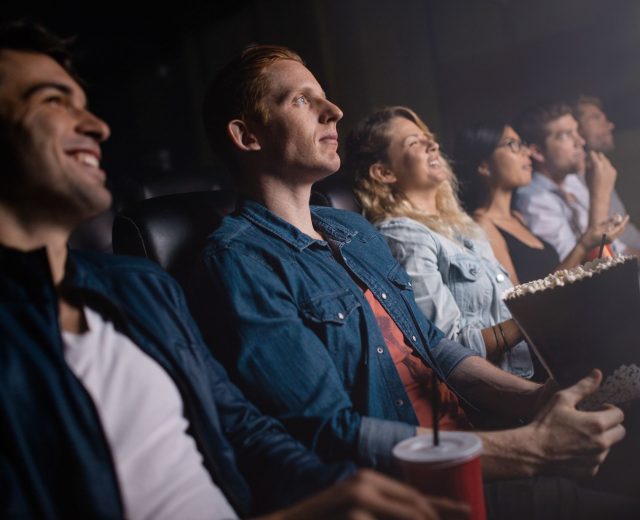
Horror movies hold a unique position in entertainment because they are designed to evoke fear while still being enjoyable. That balance is not accidental. It comes from careful decisions about storytelling, pacing, psychology, and technical execution. Many films try to scare audiences, but only a few succeed in creating an experience that feels both terrifying and satisfying. Understanding what makes a horror movie scary requires looking beyond surface-level tricks and exploring the deeper mechanisms that drive fear and engagement.
At its core, horror works because it taps into primal human instincts. Fear is a survival response. When a film activates that response in a controlled environment, it creates excitement rather than danger. The audience feels tension, anticipation, and adrenaline, but remains aware that the threat is fictional. This combination of emotional intensity and safety is what makes horror so compelling. It is not just about being scared. It is about experiencing fear in a way that feels meaningful and memorable.
The Psychology Behind Fear in Horror Films
Fear in horror films is built on anticipation more than action. The human brain is wired to look for patterns and predict outcomes. When a film disrupts those expectations, it creates discomfort. That discomfort grows into tension, and tension becomes fear. The most effective horror movies understand this progression and use it strategically.
Instead of relying only on sudden scares, strong films build unease slowly. They allow the audience to sense that something is wrong before anything obvious happens. This approach engages the imagination. Often, what the viewer imagines is far more disturbing than what is shown directly. This is why subtle horror can be more powerful than explicit imagery.
Another psychological factor is relatability. When viewers see themselves in a character or situation, the fear becomes personal. A distant or unrealistic scenario may be visually shocking, but it rarely leaves a lasting impact. In contrast, a believable threat can stay with the audience long after the film ends. This is why grounded storytelling is essential in effective horror.
Core Ingredients of a Truly Scary Horror Movie
A truly scary horror movie is built on a combination of atmosphere, pacing, and unpredictability. These elements work together to create a sense of tension that feels natural and continuous. Without them, even the most creative concepts can fall flat.
Atmosphere is the foundation. It sets the emotional tone and prepares the audience for what is to come. This can be achieved through lighting, setting, and subtle visual cues. A quiet hallway, an empty street, or a dimly lit room can create unease before anything happens. The environment itself becomes part of the fear.
Pacing determines how that fear develops. If a film moves too quickly, it leaves no time for tension to build. If it moves too slowly without purpose, the audience loses interest. Effective pacing finds a balance. It stretches moments just enough to create anticipation, then releases that tension at the right time. This rhythm keeps viewers engaged.
The Role of Storytelling in Horror
Strong Narratives and Emotional Investment
Storytelling is often overlooked in horror, but it is one of the most important elements. Without a solid narrative, fear feels disconnected. The audience may react in the moment, but the experience quickly fades. A strong story gives context to the fear and makes it meaningful.
Emotional investment is key. When viewers care about the characters, every threat carries weight. A simple scene becomes intense because the audience is concerned about the outcome. This connection transforms fear from a visual reaction into an emotional experience.
Themes That Resonate Deeply
The most memorable horror films explore themes that go beyond surface-level scares. They tap into universal fears such as isolation, loss, and uncertainty. These themes resonate because they reflect real human concerns. Even when the setting is fictional, the emotions feel authentic.
Modern horror often incorporates social and psychological themes. This adds depth and relevance. It allows films to comment on real-world issues while still functioning as entertainment. This dual purpose strengthens the impact of the story and broadens its appeal.
Visual and Audio Techniques That Amplify Fear
Visual and audio design play a critical role in shaping the horror experience. These elements influence how the audience perceives and reacts to each scene. When used effectively, they can create tension without relying on explicit content.
Cinematography controls what the audience sees and how they see it. Framing, camera movement, and lighting all contribute to the mood. Shadows can hide information, while tight framing can create a sense of confinement. These choices guide attention and build suspense.
Sound design is equally powerful. Silence can be more effective than noise because it creates anticipation. When sound is used, it must be intentional. Sudden changes in volume or tone can trigger emotional responses, but overuse reduces their impact. Strategic sound design enhances tension without becoming predictable.
Types of Fear Used in Horror Movies
Horror films use different types of fear to engage audiences. Each type targets a specific psychological response and contributes to the overall experience. Understanding these categories helps explain why certain films resonate more than others.
Psychological fear focuses on the mind. It explores uncertainty, paranoia, and internal conflict. This type of horror often avoids obvious threats and instead creates tension through suggestion and ambiguity. It can be deeply unsettling because it challenges perception and reality.
Supernatural fear introduces elements beyond human understanding. Ghosts, spirits, and unexplained forces create a sense of unpredictability. This type of horror taps into fear of the unknown. It works best when it maintains mystery rather than explaining everything.
Real-world fear is grounded in reality. It involves situations that could happen in everyday life. This makes it particularly impactful because it feels possible. Threats based on human behavior, isolation, or survival often create intense emotional reactions.
The Balance Between Scary and Entertaining
Fear alone does not make a film successful. Entertainment is equally important. If a movie is relentlessly intense without variation, it can become exhausting. Audiences need moments of relief to process what they have experienced.
This balance is achieved through pacing and contrast. Moments of tension are followed by quieter scenes that allow the audience to recover. These breaks are not distractions. They are essential for maintaining engagement. Without them, fear loses its impact.
Some films use humor or emotional warmth to create contrast. This makes the scary moments more effective because they feel unexpected. The audience becomes comfortable, then suddenly uneasy again. This dynamic keeps the experience fresh.
Character Development and Audience Connection
Characters are the emotional anchor of any horror film. Without them, the story lacks depth and direction. Strong characters make the audience care about what happens. This emotional connection amplifies fear.
Believability is crucial. Characters must react in ways that feel natural. If their decisions seem unrealistic, the audience disconnects. This reduces tension because the situation no longer feels authentic.
Protagonists often represent the audience’s perspective. Their journey guides the emotional experience. Antagonists, on the other hand, represent the source of fear. A well-developed antagonist adds complexity and unpredictability to the story.
Cultural Influence on Horror Movies
Regional Differences in Horror Styles
Horror varies across cultures. Different regions emphasize different types of fear. Some focus on psychological tension, while others rely on visual intensity or folklore. These variations reflect cultural beliefs and social concerns.
Understanding these differences can enhance storytelling. It allows filmmakers to introduce fresh perspectives and avoid repetition. It also broadens the appeal of horror by exposing audiences to new ideas.
Social Commentary in Horror
Horror has long been used as a tool for social commentary. It allows filmmakers to explore complex issues in a way that feels engaging rather than direct. Fear becomes a metaphor for real-world concerns.
This approach adds depth and relevance. It encourages audiences to think beyond the surface and consider underlying messages. When done effectively, it elevates the film from simple entertainment to meaningful storytelling.
Modern Trends Shaping Horror Entertainment
Horror continues to evolve with changing audience expectations. One major trend is the rise of psychological and character-driven stories. These films focus on atmosphere and emotion rather than constant action.
Another trend is genre blending. Horror is often combined with drama, thriller, or even science fiction elements. This creates more complex narratives and attracts a broader audience.
Streaming platforms have also changed how horror is consumed. They allow for more experimental storytelling and niche content. This has expanded the range of available films and introduced new voices into the genre.
From a strategic perspective, these trends highlight the importance of innovation. Audiences are familiar with traditional formulas. To stand out, filmmakers must offer something new while maintaining core elements of fear..
Conclusion
A truly effective horror movie is more than a collection of scary moments. It is a carefully crafted experience that combines psychology, storytelling, and technical skill. It builds tension, creates emotional investment, and delivers fear in a way that feels meaningful.
The best horror films understand that fear is not just about what is shown on screen. It is about what the audience feels and imagines. By focusing on atmosphere, narrative depth, and character connection, filmmakers can create experiences that stay with viewers long after the film ends.
Ultimately, what makes a horror movie scary is also what makes it entertaining. It engages the mind, challenges expectations, and creates a lasting emotional impact. That is why horror remains one of the most enduring and powerful forms of storytelling in entertainment.